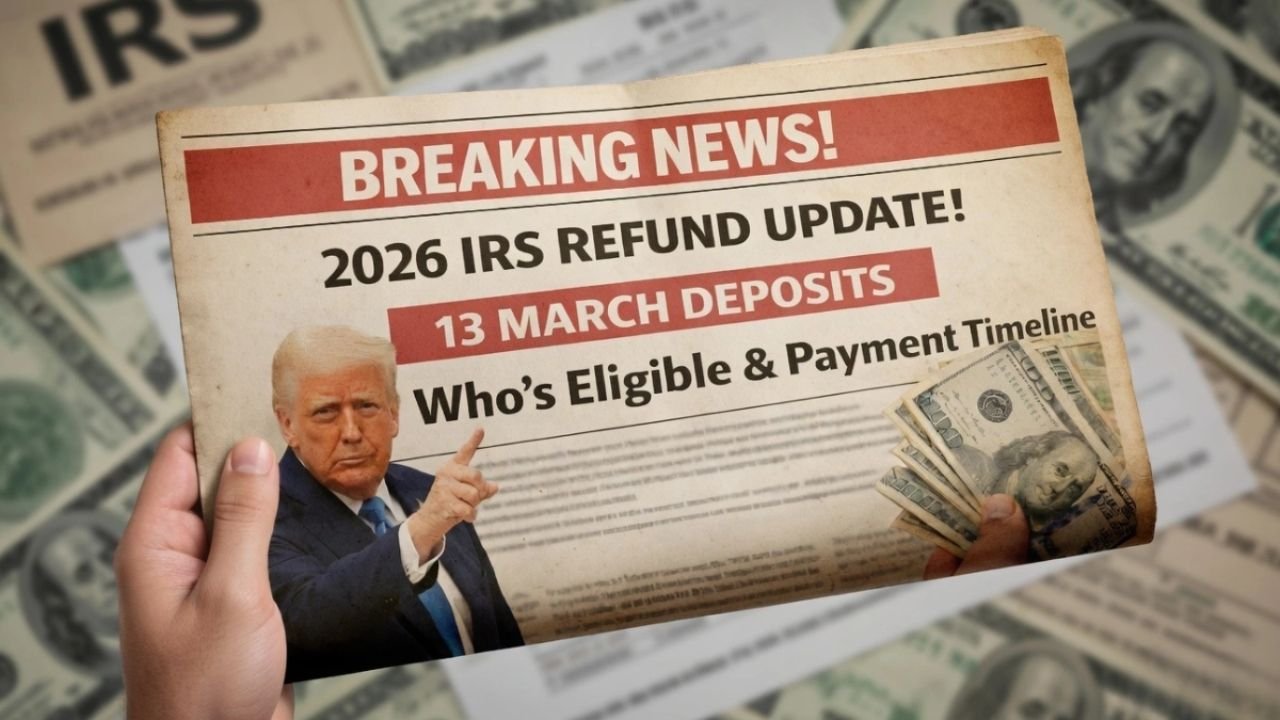
Millions of taxpayers are paying close attention to new updates about a possible $2,000 direct deposit that could reach qualifying individuals through federal payment systems. The proposed payment is expected to be delivered using the same infrastructure used for previous refunds and economic relief deposits.
According to information released by the Internal Revenue Service, the funds would be issued primarily through direct deposit to taxpayers who meet eligibility requirements based on federal tax records. For many recipients, the payment could appear automatically in the bank account listed on their most recent tax return.

Understanding how eligibility works and when payments could arrive helps taxpayers prepare and avoid unnecessary delays.
Who May Qualify for the $2,000 Direct Deposit
Eligibility for the payment generally depends on information already available in federal tax filings. Authorities typically use the latest processed return to determine whether a taxpayer meets the criteria.
Key Factors That Determine Eligibility
Several factors usually influence whether an individual qualifies for a federal payment.

Income level is one of the most important considerations, as assistance programs often target households within specific earnings ranges. Filing status also plays a role, since individual filers, married couples, and heads of household may fall under different thresholds.
A valid Social Security number and an accurate tax filing record are also required. Taxpayers with unresolved filing issues or incomplete returns may need to correct those problems before receiving any payment.
Expected Payment Schedule
Although payments are typically distributed quickly once approved, the arrival time depends largely on the delivery method connected to the taxpayer’s return.
| Payment Method | Estimated Arrival Window |
|---|---|
| Direct Deposit | Mid-March |
| Paper Check | Late March |
| Prepaid Debit Card | Mid to Late March |

Direct deposit is usually the fastest option because funds move electronically through the banking system. Physical checks and debit cards require additional processing and delivery time.
Financial institutions may also influence the exact timing depending on their internal processing schedules.
Reasons Some Payments May Take Longer
Even when taxpayers meet the basic eligibility requirements, several factors can slow the process.
Tax Record Discrepancies
If there are inconsistencies between income documents and the filed tax return, the IRS may review the record before issuing a payment.
Banking Information Issues
Incorrect routing or account numbers can prevent direct deposits from completing successfully. In these situations, the payment may need to be reissued using another method.
Pending Return Processing
Taxpayers who recently submitted their returns may need to wait until the filing is fully processed before payments are approved.
Steps Taxpayers Can Take to Avoid Delays
Most payments are issued automatically, but a few simple checks can help ensure funds arrive without complications.
Confirm Your Latest Tax Return
Taxpayers should make sure their most recent federal return has been submitted and accepted.
Verify Bank Account Details
Checking that the correct bank account information appears on the return can prevent deposit failures.
Monitor Official IRS Updates
Using official IRS tracking tools and notifications can provide helpful updates once payments begin moving through the system.
Why the Payment Could Matter for Many Households
For eligible recipients, a $2,000 direct deposit can provide meaningful financial support. Households often use these payments to manage bills, address short-term financial needs, or build savings buffers.
Economists also note that direct payments frequently circulate quickly within the broader economy, as recipients spend portions of the funds on essential goods and services.
Final Outlook
The proposed $2,000 direct deposit represents another effort to provide targeted financial assistance through the federal tax system. For taxpayers who meet the eligibility requirements and have accurate banking information on file, payments are expected to arrive automatically through the established distribution process.
Ensuring tax filings are current and verifying personal information remain the most effective ways to receive funds without unnecessary delays.
Disclaimer: This article is for informational purposes only. Payment programs, eligibility requirements, and distribution timelines may change depending on official announcements from the Internal Revenue Service. Taxpayers should verify details through official government sources before making financial decisions.