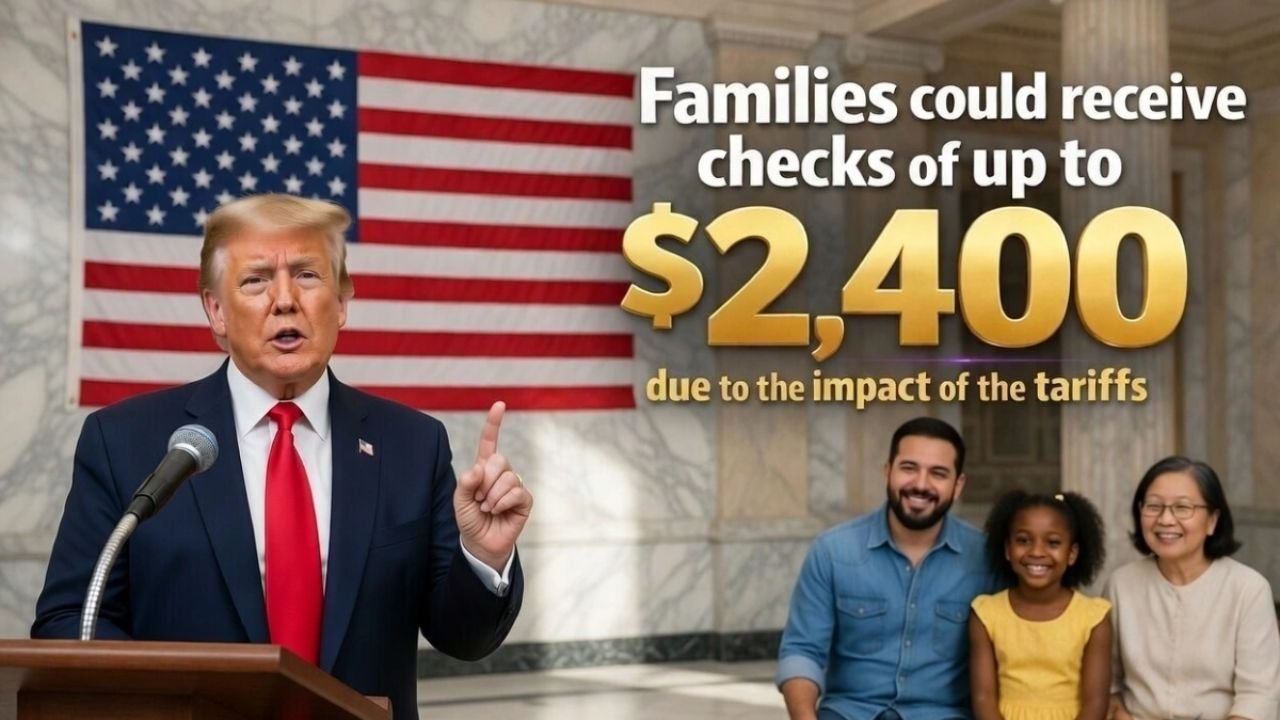
As global trade dynamics continue to influence consumer prices, new discussions are emerging around potential financial relief for families impacted by tariffs. Policymakers are exploring direct payments that could provide eligible households with up to $2,400, aiming to offset rising costs on everyday goods and essentials.
Understanding the Proposed Tariff Relief Payments
Tariffs, which are taxes imposed on imported goods, can significantly influence the cost of products ranging from electronics and clothing to household essentials. As these costs rise, many families face increasing pressure on their monthly budgets. The proposed relief payments seek to return a portion of tariff revenue directly to citizens, providing immediate financial support where it is most needed.

This initiative is part of a broader strategy to ease the economic burden on households while maintaining government revenue from trade policies. By providing direct cash assistance, the proposal aims to strengthen consumer purchasing power and help families manage inflation-driven price increases.
Who Could Be Eligible
Eligibility for these payments is expected to focus on income, family size, and filing status. Lower- and middle-income households are likely to receive priority, as they are typically the most affected by rising prices linked to tariffs.
Families with dependents could receive larger sums, potentially up to $2,400 per household, while single individuals or couples without children may qualify for smaller amounts. Eligibility may also require recent tax filings and valid banking information to facilitate direct deposit payments efficiently.
Estimated Payment Tiers
| Household Type | Potential Payment |
|---|---|
| Single Individual | Up to $800 |
| Married Couple | Up to $1,600 |
| Family with Children | Up to $2,400 |

These figures are preliminary and subject to adjustment based on final policy decisions and budget allocations.
Payment Method and Distribution
If the program is approved, payments are expected to be distributed primarily through direct deposit. This method ensures faster delivery and minimizes administrative delays, enabling families to access funds quickly. For households without banking information on file, paper checks may be issued as an alternative.
The timeline for distribution will depend on legislative approval and administrative processes. Early indications suggest a phased rollout could be implemented, ensuring that funds reach eligible families promptly after official confirmation.
How Tariffs Affect Household Expenses

Tariffs indirectly impact the cost of many consumer goods. When import taxes increase, companies often pass these costs to consumers, affecting a wide range of products. Electronics, clothing, appliances, and everyday items can become more expensive, particularly for families balancing tight budgets.
For middle- and lower-income households, these increases can quickly accumulate, reducing disposable income and limiting spending on other necessities. Relief payments are designed to offset these additional costs, helping families maintain their standard of living and manage unforeseen financial pressure.
Broader Economic Implications
Beyond immediate household relief, direct payments also serve as a stimulus for the economy. By putting money directly into consumers’ hands, governments can help sustain spending levels, supporting businesses that rely on everyday consumer demand. In turn, this can foster economic stability during periods of trade-induced inflation.
Such measures also reflect a more targeted approach to financial assistance, ensuring that support reaches those most affected by policy-driven cost increases rather than applying blanket measures across all income groups.
Staying Informed and Prepared
Families interested in these potential payments should monitor official government announcements closely. Ensuring tax filings are up to date and banking information is accurate can help guarantee timely receipt of funds once the program is implemented.
Being proactive in understanding eligibility criteria and payment structures will allow households to make informed decisions and take advantage of available financial support.
Conclusion
The proposed tariff relief payments, potentially reaching $2,400 per family, highlight a growing effort to support households facing rising living costs. While the plan is still under discussion and details are yet to be finalized, it represents a significant initiative to combine economic policy with direct financial assistance.
As discussions progress, families are encouraged to stay informed, maintain accurate financial records, and rely on verified government updates to ensure they can access any benefits they are entitled to.
Disclaimer: The $2,400 payment is based on proposed policies under discussion and has not been officially confirmed. Eligibility, payment amounts, and timelines may change according to government decisions.