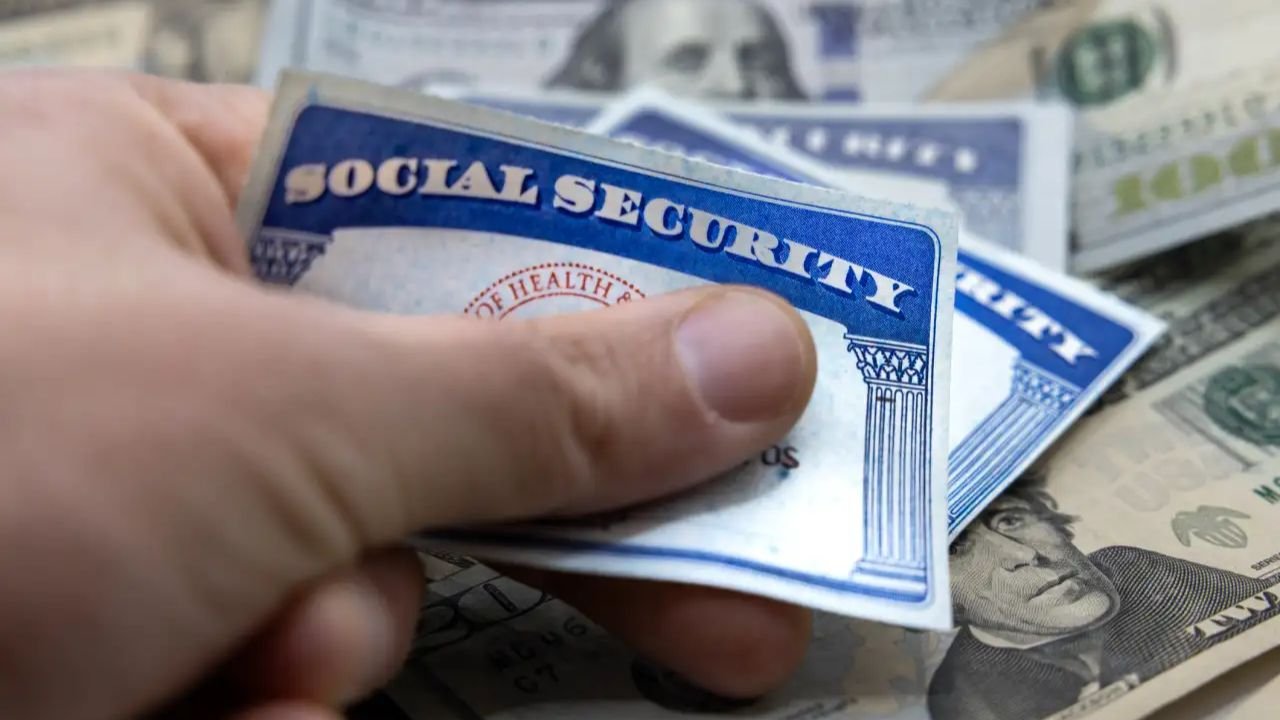
Social Security forms a cornerstone of retirement planning for millions of Americans. While it provides essential financial stability, it also attracts scammers looking to exploit unsuspecting recipients. In 2026, these scams have become increasingly sophisticated, making it crucial for retirees to stay informed and vigilant.
Understanding Social Security Scams
The Social Security Administration (SSA) warns that scammers often impersonate the agency through phone calls, texts, letters, or even social media messages. In some cases, they use caller ID spoofing, making it appear that calls originate from official SSA numbers. Fake websites with official-looking logos are another common tactic, designed to trick individuals into providing personal information.

Typically, these criminals employ fear and urgency. They may claim that a Social Security number has been “suspended” due to criminal activity, and that immediate payment or action is required to restore benefits. Such tactics are designed to pressure recipients into making hasty decisions without verifying legitimacy.
The One Rule That Keeps You Safe
The most effective way to protect yourself is to understand how the SSA legitimately communicates with beneficiaries. According to the SSA:
- Phone calls usually occur only if a person has recently applied for a benefit, is receiving payments and needs to update their record, or has specifically requested a call.
- Official notices about problems with a Social Security number or record are almost always sent via mailed letters.
By knowing these rules, retirees can quickly identify suspicious contacts and avoid falling victim to scams.
Spotting Common Red Flags

Several indicators can help you detect fraudulent communications:
- Threats or Urgency: The real SSA will never threaten legal action or demand immediate payment.
- Requests for Sensitive Information: Social Security will not ask for personal details like bank account numbers, passwords, or Social Security numbers via phone or email.
- Unusual Communication Channels: The SSA does not contact individuals via social media or demand secrecy.
- Suspicious Links or Emails: Check URLs carefully; fraudulent websites often mimic official SSA sites but contain slight variations in spelling or domain names.
Protecting Your Social Security Benefits
Beyond vigilance, retirees can take practical steps to secure their information:
- Strong Passwords and Multi-Factor Authentication: Safeguard online accounts against unauthorized access.
- Monitor Bank Statements: Regularly review accounts to ensure benefits are being deposited correctly.
- Check Benefit Statements: Confirm that Social Security payments align with expected amounts.
- Ignore Suspicious Calls: Hang up immediately and do not call any numbers provided by potential scammers.
Reporting Social Security Scams
Reporting suspected scams helps protect both yourself and the broader community. You can report incidents to the SSA’s Office of Inspector General (OIG) via their website or by calling their fraud hotline at 1-800-269-0271. If identity theft is involved, the Federal Trade Commission (FTC) offers an identity theft reporting tool for victims.

Timely reporting enables authorities to track scams, warn others, and prevent additional fraud. Sharing experiences with trusted family members or caregivers can also help ensure others do not fall victim to similar tactics.
Key Takeaways for Retirees
- Social Security scammers use fear, urgency, and imitation to trick recipients.
- The SSA typically contacts beneficiaries only for updates or requested calls; official notices are mailed.
- Never share sensitive information or make payments to unsolicited contacts.
- Strong passwords, multi-factor authentication, and regular account monitoring enhance security.
- Reporting scams to the SSA OIG or FTC helps protect yourself and the wider community.
By staying informed and following these guidelines, retirees can safeguard their Social Security benefits and avoid the costly consequences of fraud. Awareness, vigilance, and prompt action remain the best defenses against scammers in 2026.
Disclaimer: This article is for informational purposes only and should not be considered legal, financial, or personal advice. Readers should verify all Social Security guidance through official SSA resources.