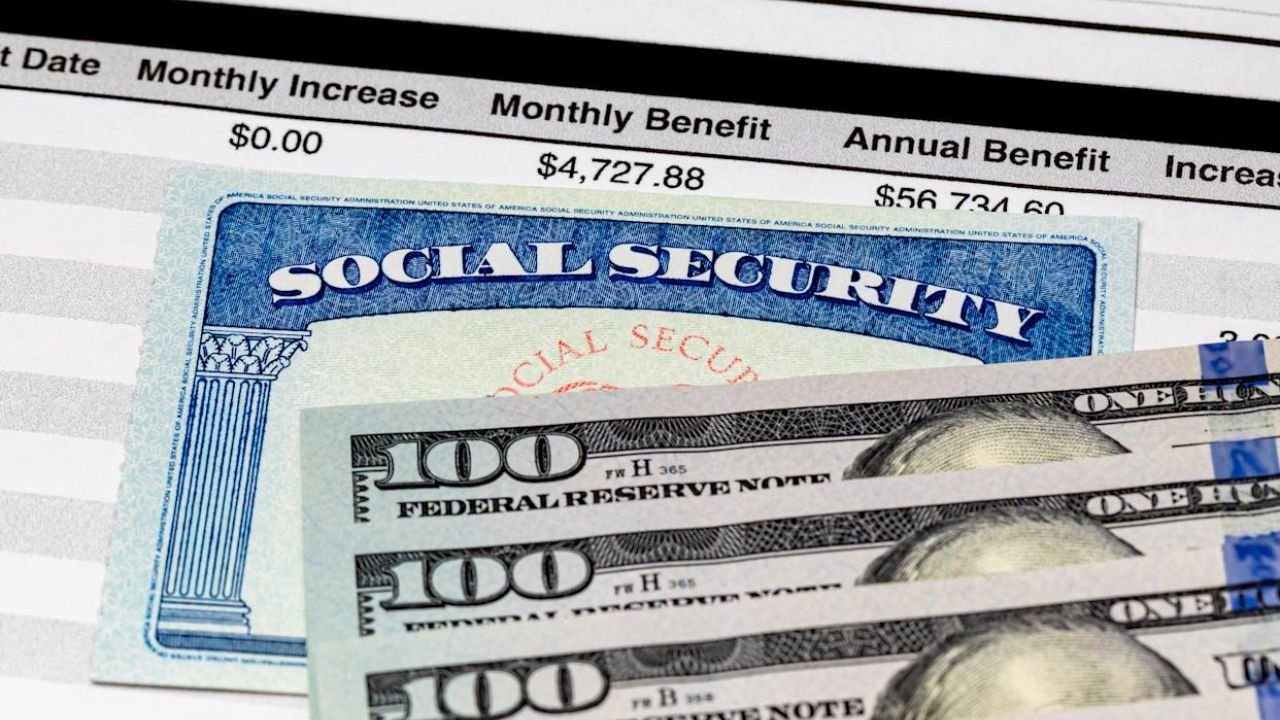
Social Security is a cornerstone of retirement planning, but the truth is that very few Americans ever receive the maximum monthly benefit. It’s not a question of effort — the program’s design simply rewards a rare combination of high earnings, consistency, and strategic timing. For 2026, the maximum benefit at full retirement age (FRA) is $4,152 per month, and delaying until age 70 raises it to roughly $5,250. Here’s a breakdown of what it takes to reach that ceiling, why it’s so rare, and how you can still boost your benefits.
The Maximum Social Security Benefit in 2026
Your Social Security benefit depends on two main factors: your earnings history and the age at which you claim. For 2026, the maximum benefits are as follows:
- Age 62: Reduced benefits (varies by birth year, roughly 30% lower than FRA).
- Full Retirement Age (FRA, 67 for most): $4,152 per month.
- Age 70: Approximately $5,250 per month, including delayed retirement credits.

This means someone who delays claiming until 70 could earn up to $63,000 annually through Social Security alone, though very few actually achieve this.
Average Benefits vs. Maximum
In contrast, the average Social Security payouts are much lower:
- Retired worker: $2,071 per month
- Aged couple: $3,208 per month
- Widowed mother with two children: $3,898 per month
Clearly, the top-tier benefits are reserved for a select few who meet strict criteria.
How Social Security Calculates Your Benefit

Social Security doesn’t simply reward your last job or peak earnings. The calculation is based on your highest 35 years of earnings, adjusted for inflation. Here’s the process:
- Select top 35 years of earnings – these do not need to be consecutive.
- Adjust for wage growth – earnings are indexed to account for inflation and economic changes.
- Calculate AIME – your Average Indexed Monthly Earnings.
- Determine PIA – Primary Insurance Amount, which forms the base of your Social Security benefit at FRA.
Once your PIA is established, your claiming age adjusts the benefit:
- Claim at 62: About 30% less than PIA, permanently.
- Claim at FRA: 100% of PIA.
- Delay to 70: Up to 32% more, depending on your FRA. For those born in 1960 or later, delaying from 67 to 70 increases benefits by 24%.
The Wage Requirement: 35 Years at the Cap
To hit the absolute maximum, you must earn at or above the taxable wage base for 35 years. In 2026, this cap is $184,500, up from $176,100 in 2025. Falling even slightly below in any of your top 35 years reduces your final benefit.

This requirement explains why so few people ever reach the top: maintaining top-earning status consistently for decades is extremely rare. Most workers experience career fluctuations, layoffs, or lower-paying periods that prevent them from hitting the maximum.
Why Timing Matters
Even with maximum earnings, your claiming age profoundly affects your benefit. Delayed Retirement Credits (DRCs) reward those who wait past FRA:
- 8% annual increase for each year delayed past FRA, up to age 70.
- After 70, there is no further increase, so claiming beyond that age offers no advantage.
For example, a worker with FRA at 66 years and 4 months who waits until 70 sees a 29.3% increase in benefits, pushing their monthly check to roughly $5,250. Claiming at 62, however, reduces the benefit to about $2,900 per month — even if the individual earned the maximum for decades.
Can You Still Boost Your Benefits Without Hitting the Max?
While reaching the absolute maximum is out of reach for most, you can still increase your Social Security benefit with smart strategies:
- Work at least 35 years: Filling in missing years can prevent zeros from lowering your AIME.
- Replace low-earning years: If early career earnings were low, extra high-earning years later can improve your average.
- Delay claiming if possible: Every year past FRA up to 70 increases your benefit.
- Consider spousal and survivor benefits: Even if your own earnings aren’t at the maximum, you may qualify for additional benefits through your spouse.
Bottom Line
Earning the highest Social Security check requires a perfect storm: 35 years at the wage cap and delaying benefits until age 70. For 2026, that translates to a maximum of roughly $5,250 per month. Few people achieve this level due to career variability and the difficulty of consistently earning at the top.
Still, by working strategically, replacing lower-earning years, delaying your claim, and understanding spousal benefits, you can significantly boost your Social Security income — even if you never reach the absolute maximum. For most Americans, focusing on these strategies can make a meaningful difference in retirement security and peace of mind.