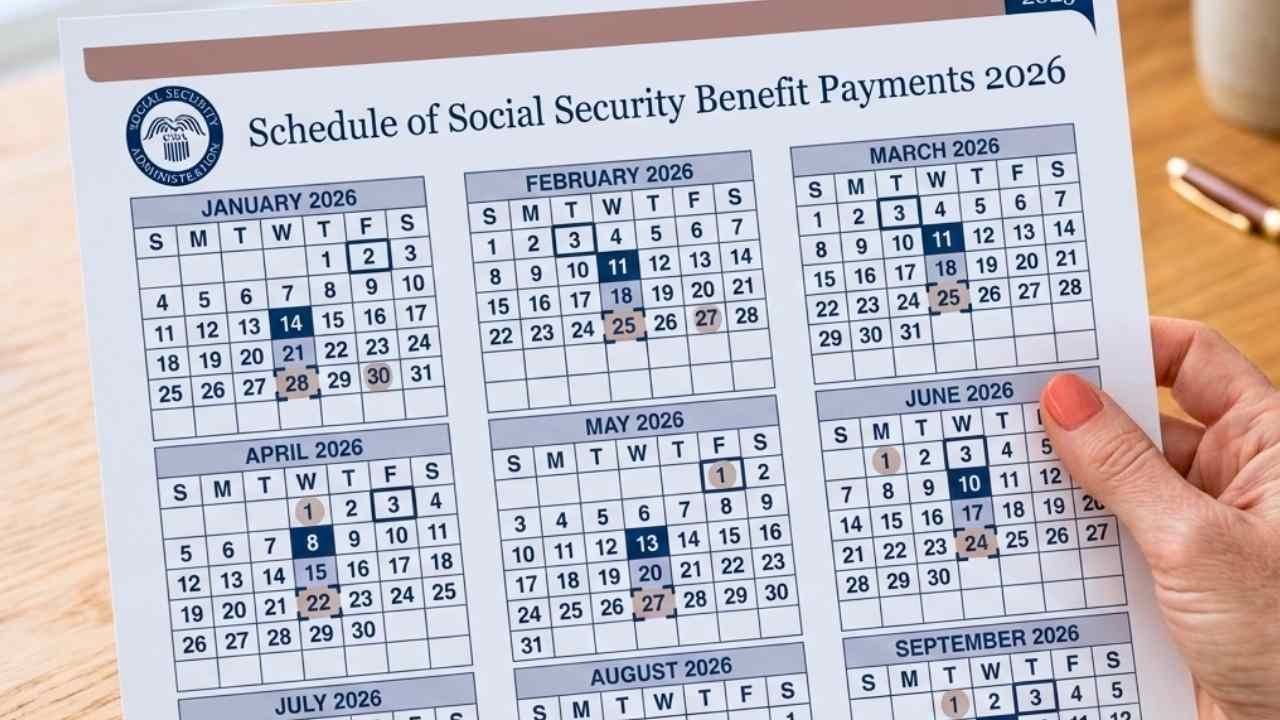
For millions of Americans, Social Security remains the backbone of retirement income. In 2026, retirees are seeing a welcome, if modest, increase in their monthly checks thanks to the annual cost-of-living adjustment (COLA). But alongside the good news, there are broader concerns about the program’s long-term sustainability that every beneficiary should understand.
How Much More Are Retirees Getting?
The 2026 COLA of 2.8% has raised the average monthly Social Security retirement payment to around $2,074, up roughly $56 from 2025. While this boost isn’t life-changing in high-cost cities like Los Angeles, Miami, or Phoenix, it represents a meaningful difference for households that rely heavily on these benefits to cover essentials like rent, utilities, and medications.

Supplemental Security Income (SSI) recipients saw a minor calendar anomaly in March: because March 1 fell on a Sunday, the March 2026 SSI check was issued early on February 27. This adjustment is standard procedure; the federal government does not process payments on weekends. It doesn’t mean extra money, just a shifted timeline.
Social Security Payment Schedule for March 2026
For retirees and SSI beneficiaries, the remaining March payments follow the Social Security Administration’s traditional schedule:
- March 3 (Tuesday): Beneficiaries who started payments before May 1997, plus anyone receiving both Social Security and SSI.
- March 11 (Wednesday): Born between the 1st and 10th of any month.
- March 18 (Wednesday): Born between the 11th and 20th.
- March 25 (Wednesday): Born between the 21st and 31st.
The SSA advises that if your payment doesn’t appear on the expected date, wait up to three business days before contacting the agency at 1-800-772-1213, as delays are often bank-related rather than SSA errors.
Understanding the Bigger Picture: Social Security’s Trust Fund

While retirees enjoy larger checks in 2026, the program faces long-term fiscal challenges. The Congressional Budget Office (CBO) projects that the Social Security trust fund could be depleted by September 2032. At that point, the program would only be able to pay benefits from current income, resulting in an estimated 7% reduction in payments that year. By 2033–2036, average cuts could reach 28% unless Congress acts to shore up the system.
For retirees, these numbers are more than abstract: a 70-year-old living alone could see significant impacts on their monthly budget if reductions occur. Experts warn that planning now—through savings, delayed retirement, or spousal benefits—can help mitigate potential shortfalls.
Why Social Security Reform Is Difficult
Social Security remains a politically sensitive topic. Lawmakers from both parties face challenges in addressing the program’s funding gap:
- Cutting benefits is unpopular with Americans over 60, the largest voting demographic.
- Raising taxes to support Social Security also faces resistance across the political spectrum.

As a result, discussions often stall, leaving retirees dependent on current projections and personal planning rather than legislative certainty.
Making the Most of Your Benefits
Even with uncertainty on the horizon, there are steps beneficiaries can take to maximize their Social Security income:
- Delay claiming benefits when possible: Waiting past full retirement age increases your monthly benefit through delayed retirement credits, up to age 70.
- Consider spousal and survivor benefits: Many retirees can qualify for additional income based on a spouse or ex-spouse’s work record.
- Review SSI eligibility: Supplemental Security Income provides additional support for low-income retirees, people with disabilities, and certain children.
- Plan expenses around payment schedules: Knowing exact deposit dates helps manage rent, bills, and essential living costs efficiently.
Looking Ahead
For 2026, the increase in Social Security checks is a small but tangible win for retirees, offering modest relief against inflation. However, the looming trust fund depletion underscores the need for strategic financial planning.
Beneficiaries are encouraged to:
- Stay informed on SSA updates and payment schedules.
- Explore personal savings and investment strategies to supplement Social Security.
- Consider professional advice for optimizing retirement income.
Social Security continues to be a lifeline for millions, and understanding both immediate benefits and long-term risks is crucial. With informed planning, retirees can navigate the 2026 landscape confidently, enjoying the COLA increase today while preparing for the uncertainties of tomorrow.
Key Takeaways
- Average Social Security retirement benefit rises to $2,074/month in 2026, up 2.8% from 2025.
- March SSI checks were issued early on February 27, 2026, due to March 1 falling on a Sunday.
- Trust fund projections suggest potential 7–28% cuts by 2032–2036 if no legislative action is taken.
- Beneficiaries can maximize income through delayed claiming, spousal benefits, and careful budgeting.
- Staying informed and planning ahead remains critical for long-term retirement security.