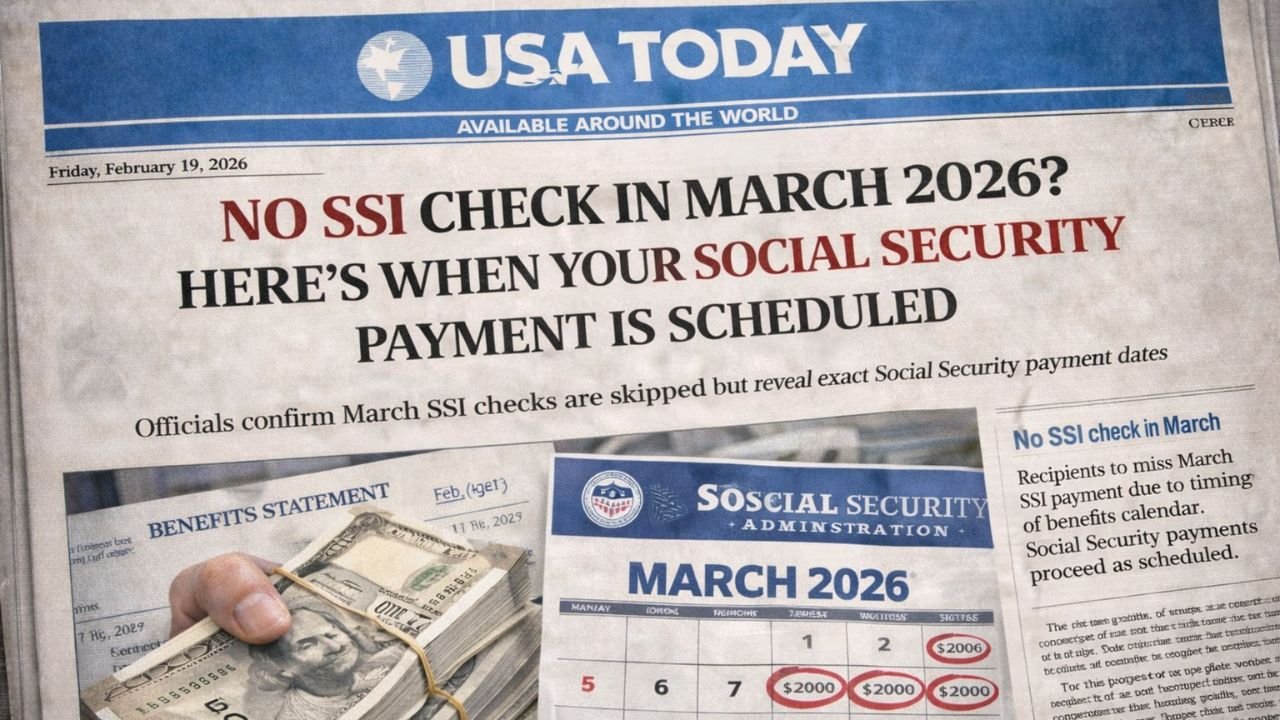
Millions of Americans rely on monthly government benefits like Supplemental Security Income (SSI) to cover essential expenses. In early 2026, some SSI recipients noticed something unusual: two deposits in February and what appeared to be no payment for March. This caused confusion for many who depend on the consistency of these benefits. However, this change does not mean that payments were reduced or canceled—it is simply a result of the official Social Security Administration (SSA) payment schedule.
Why Two SSI Payments Appeared in February
SSI benefits are typically paid on the first day of each month. When the first day falls on a weekend or federal holiday, the SSA issues the payment on the previous business day. In 2026, March 1 landed on a Sunday. As federal offices were closed, the March payment was processed early, arriving in recipients’ bank accounts on February 27.

This adjustment meant that February saw its regular payment plus the early March deposit. While it may look like an extra payment, it is simply the next month’s benefit arriving sooner than usual.
Understanding the Payment Timing
The early March deposit can create the perception of a skipped payment, but the total number of payments over the year remains unchanged. Here’s a breakdown of the adjusted schedule:
| Benefit Month | Normal Payment Date | Adjusted Payment Date |
|---|---|---|
| February 2026 | February 1 | Paid on normal schedule |
| March 2026 | March 1 | Paid early on February 27, 2026 |
| April 2026 | April 1 | Expected on normal schedule |
Recipients should view the February 27 deposit as the March payment rather than extra income. Proper budgeting ensures these funds last until the next scheduled payment.
Difference Between SSI and Social Security Payments

It’s important to note that SSI follows a different schedule than Social Security retirement or Social Security Disability Insurance (SSDI) benefits. SSI is generally paid at the start of each month, whereas Social Security retirement and disability benefits are distributed on specific Wednesdays based on the beneficiary’s birth date. This staggered system helps the SSA manage millions of monthly transactions efficiently.
Managing the Early Payment Gap
Receiving the March benefit early can make the gap between deposits feel longer. Financial advisors recommend treating early deposits as the scheduled monthly benefit. Planning ahead and maintaining a budget can help recipients avoid overspending and ensure funds remain available until the next payment.
Key tips for managing the early payment gap:
- Budget for the month: Consider February’s end deposit as March’s income.
- Track your expenses: Use apps or spreadsheets to monitor spending and prevent shortfalls.
- Plan ahead for bills: Schedule essential payments to align with actual available funds.
Staying Informed on Payment Schedules

Understanding the official SSA payment calendar helps beneficiaries avoid confusion and ensures financial stability. While adjustments like early deposits may appear irregular, they follow predictable rules and do not affect the total benefit amount.
Recipients can verify payment dates through official SSA resources, including the Social Security Administration website. Staying informed prevents surprises and allows for smoother financial planning throughout the year.
Key Takeaways
- SSI benefits for March 2026 were issued early on February 27 because March 1 fell on a Sunday.
- The total number of monthly payments remains the same; no benefits are lost or canceled.
- Proper budgeting and understanding the SSA schedule can help manage early or shifted deposits.
- SSI and Social Security retirement/disability benefits follow different schedules, with SSI typically at the start of the month.
By understanding these scheduling adjustments, SSI recipients can better manage their finances and avoid confusion. Early awareness of payment shifts ensures that every monthly benefit serves its intended purpose, keeping household budgets on track.
Disclaimer: This article is for informational purposes only and does not constitute financial or legal advice. Payment schedules may vary depending on individual circumstances. Always consult official Social Security Administration resources for confirmation.